


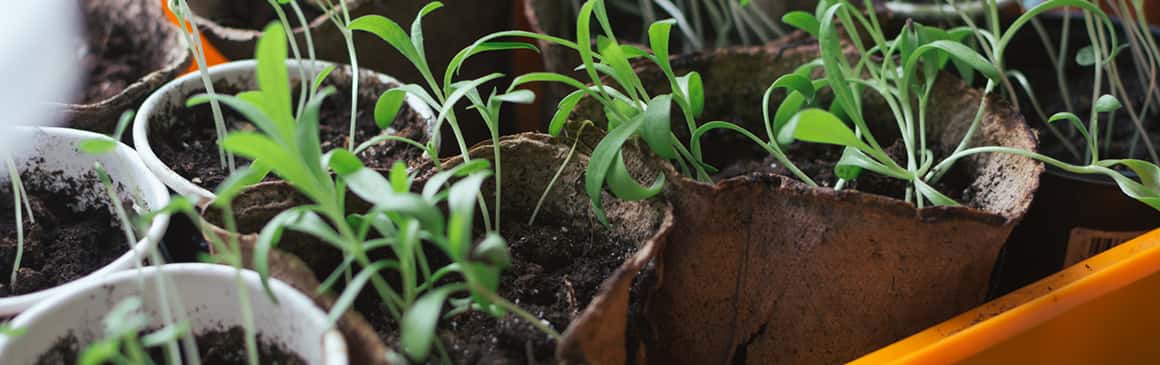
When gardening rhymes with composting and recycling!
This summer, be a green gardener—use your table scraps to make compost, recycle old containers, and even use items that would otherwise find themselves in the recycling or garbage bins.
Article Description
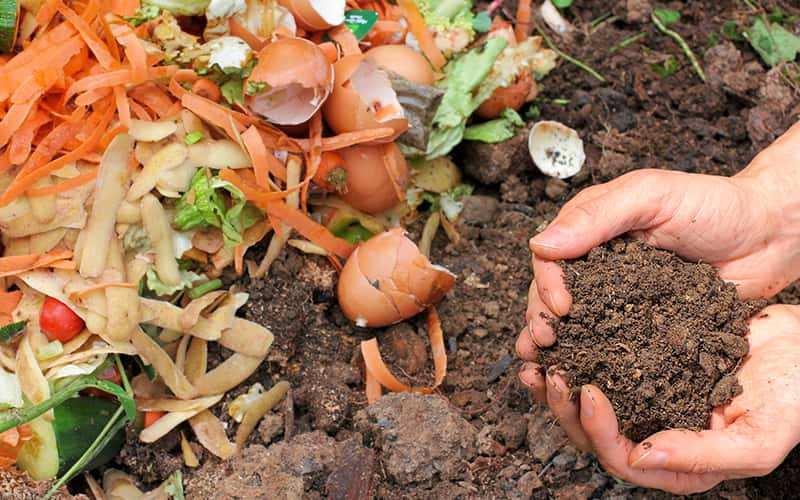
Making your own compost: the first step towards an eco-friendly garden
Making your own compost: the first step towards an eco-friendly garden
According to Recyc-Québec, composting organic waste helps reduce domestic waste by 40%, which is an excellent reason to start composting today! Plus, compost is a real gold mine for your garden, as it contains a significant amount of nutrients that will help nourish your plants.
Things that go in the compost bin:
- Fruit and vegetable scraps, including peels;
- Cereal products, including bread and pasta;
- Egg shells;
- Coffee grounds;
- Tea or herbal tea bags (but make sure to remove the staple);
- Green and brown matter (grass, flowers, dead plants, leaves, straw, twigs, cut branches, sawdust);
- Animal fur and human hair (no, you won’t have hair in your vegetables!);
- Newspaper (black ink only).
Things that don’t go in the compost bin:
- Meat, bones, fish, and shellfish;
- Dairy products;
- Oils and fats;
- BBQ ashes and charcoal;
- Rhubarb leaves;
- Excrement;
- Diseased plants, rhizomes, plants that have gone to seed or that have ben treated with pesticides;
For more composting information, visit: Recyc-Québec.
Make your garden box yourself
Make your garden box yourself
You can easily make an in-ground garden box or balcony planter using old wooden planks. There are several techniques to choose from and you’ll find a ton of DIY tutorials online. Wooden crates or plastic bins can also be used to create your garden, as long as you add an inner lining (in geotextile for example) if the crate or bin in question isn’t waterproof. This will also ensure the soil doesn’t fall out.
So many options for seedling containers
So many options for seedling containers
If you decide to start your seeds indoors, no need to buy new containers: you’ll find everything you need to create a starter kit right at home! Just make sure to thoroughly clean any container before using it, that way you’ll kill any bacteria, fungus, or viruses that could hinder your plants.
Your best bet is to soak your recycled seedling pots for at least one hour in a mixture of water and vinegar (5 parts water for 1 part vinegar). Bonus: any white spots caused by limestone will disappear!
Some containers you can use:- Yogurt containers
- Disposable plastic cups
- The bottom of milk or juice cartons
- Pastry or chicken trays and domes (the transparent dome is perfect for retaining humidity and letting the light shine through!)
Opt for containers that are approximately 10 cm in diameter, in which you’ll pierce a few drainage holes.
Contrary to popular belief, egg cartons are not ideal, as your seedlings will end up running out of space and drying out. However, it could make a fun experiment for the kids!.
Seedlings in a toilet paper roll!
Seedlings in a toilet paper roll!
You can also make seedling pots out of toilet paper or paper towel rolls. Simply cut the roll in two (or in three if it’s a paper towel roll) and make four small cuts at one end. Fold the cut sections down to create the bottom of your pot. It’s a similar process to assembling a cardboard box.
You can plant your toilet paper seed pods directly in the garden, cardboard tubes and all—they’ll decompose naturally!
Eco-friendly identification tags for your plants!
Eco-friendly identification tags for your plants!
To remember what you planted (and where), make identification tags to stick in the ground. Here too, the possibilities are endless.
A ton of ideas
A ton of ideas
You can use the following to make identification tags:
- Old blinds;
- A plastic milk container;
- Margarine containers;
- Or any other thin plastic container.
Another option is to wash and reuse plastic utensils or popsicle sticks. Simply use a permanent marker to write the name of the varieties you planted!
To get the kids involved in making identification tags, read this article—it’s filled with loads of great garden-themed arts and crafts ideas!
How can beginner gardeners create a thriving vegetable patch?
“Mary, Mary, quite contrary, how does your garden grow?” begins the infamous Mother Goose nursery rhyme for children, which is a good question to start with for any beginning gardener, no matter what their age.
Learn moreGardening for dummies: 4 mistakes to avoid
Growing fruits, herbs, and vegetables isn’t rocket science... but you might need some magic to help them grow to maturity!
Learn moreOutdoor gardening: Protect your vegetable garden from hungry predators!
To ensure your private or community vegetable garden bears fruit (and vegetables), you naturally need to provide good-quality soil, sun, and enough water and regular fertilization.
Learn more5 steps to successful seedlings and an abundant home garden
During this period of confinement, many people have taken up hobbies or are on the lookout for new projects. Gardening is a passion that has really blown up these past couple of weeks.
Learn more
Feed your passion with tons of food tips sent right to your inbox.
Sign up for our newsletter full of recipes, cooking tips, inspirational content and more.
Sign up