



Outdoor gardening: Protect your vegetable garden from hungry predators!
To ensure your private or community vegetable garden bears fruit (and vegetables), you naturally need to provide good-quality soil, sun, and enough water and regular fertilization. But there are other issues you need to consider. Outdoor gardening exposes your crops to a number of dangers, including animals and insects. Here’s some advice on how to protect your crops from unwanted sharing.
Keeping groundhog friends away from the vegetable garden
With a significant presence even in cities (because there are fewer predators), groundhogs love many common garden vegetables, such as cabbage, lettuce, and cucumber. Their visits are easy to notice—an entire row of veggies can be devoured in a single sitting!
To protect your plants, install a fence around your garden. You can use chicken wire, supported by wooden posts, at a height of at least 36 inches. But note that you will also have to bury the fence at least 12 inches into the soil and bend it at a 45-degree angle to discourage these intruders from getting in.
There are also several deterrents using odours (that repel animals), sounds (such as aluminum pie plates that clash together), or particular images (such as a fake owl or snake) to keep rodents away. However, once they realize there is in fact no danger, they’ll come back. This means you need to change the type of deterrent you use approximately every two weeks.
Consider setting up a motion-activated sprinkler, which is very effective. It works 24 hours a day, automatically spraying a powerful jet of water to frighten off not just groundhogs, but also deer, skunks, crows, and other pests.
Effective protection from squirrels
Chicken wire can also be used to protect your seedlings and bulbs from squirrels, though you have to make sure you cover the area to be protected completely. Otherwise, sprinkle blood meal on the soil. Squirrels also hate chicken manure; other allies to be considered are cayenne pepper, human hair, or fur from cats or dogs, which can be spread around the garden after every rainfall. Two teaspoons of hot mustard diluted in 2 litres of water will also deter squirrels. Simply spray generously around the garden and rest easy!
Another trick for more cunning specimens: paint an image of a strawberry onto a small stone and place it next to plants before their fruit have ripened; once the squirrels have been deceived, they’ll be unlikely to return when the strawberries are ready for picking. This technique can obviously be adapted to whatever other fruit or vegetable you happen to be growing.
Aphids on your plants? Use soap!
Whether green, red, black, yellow, or white, aphids suck the sap from leaves, small branches, stems, and roots, and can quickly turn into a nightmare. They can even transmit viruses to plants. They can often be found clumped together under leaves, so keep an eye out for them.
One treatment that has proven itself over the years (and which is respectful of the environment) is Marseille black soap, especially when made with olive oil diluted in water. Sprayed generously on plants, it kills aphids and red spider mites. But don’t be tempted to use dish soap, which is too harsh and might injure your plants.
Article Description
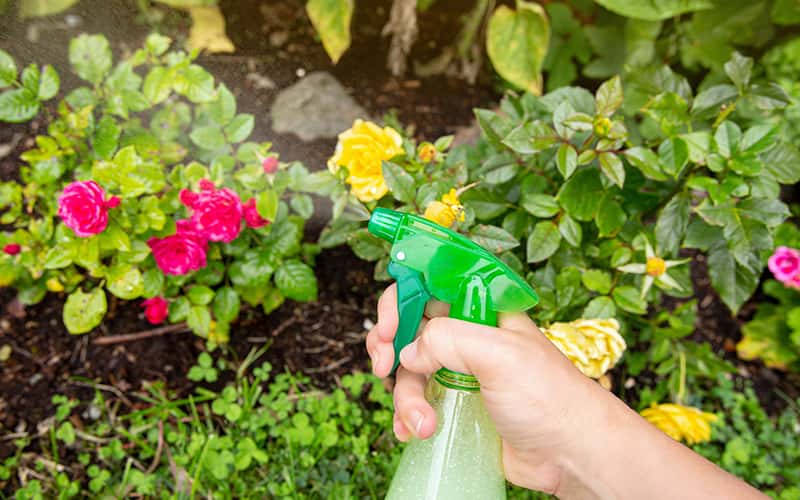
You can also spray water at these little villains to knock them off your plants. Another tip: fill plates with water coloured with a few drops of yellow food dye. The aphids, attracted to the colour, will be drawn to the plate and drown.
And in case you haven’t heard: while insecticides used to be sprayed as preventive treatments for insects, due to their significant impact on the environment many have now been banned.
Companion planting: Plants helping other plants
Companion planting: Plants helping other plants
The idea of companion planting remains a popular gardening idea. Basically, it involves planting certain “compatible” species together (so they can help each other) and avoiding “incompatible” combinations (which are harmful to each other). However, it should be noted that these plant associations have never been scientifically proven and are disputed by a number of horticulturalists.
For this reason, many industry professionals prefer a more logical version of companion planting involving the integration of plants and flowers into a garden to attract pollinators and beneficial insects (particularly ladybugs and lacewings), which feed on pests. There are also herbs that repel undesirable insects. The scent of cilantro, basil, catnip, chives, and dill, in particular, repels aphids.
How can beginner gardeners create a thriving vegetable patch?
“Mary, Mary, quite contrary, how does your garden grow?” begins the infamous Mother Goose nursery rhyme for children, which is a good question to start with for any beginning gardener, no matter what their age.
Learn moreGardening for dummies: 4 mistakes to avoid
Growing fruits, herbs, and vegetables isn’t rocket science... but you might need some magic to help them grow to maturity!
Learn more5 steps to successful seedlings and an abundant home garden
During this period of confinement, many people have taken up hobbies or are on the lookout for new projects. Gardening is a passion that has really blown up these past couple of weeks.
Learn moreWhen gardening rhymes with composting and recycling!
This summer, be a green gardener—use your table scraps to make compost, recycle old containers, and even use items that would otherwise find themselves in the recycling or garbage bins.
Learn moreFeed your passion with tons of food tips sent right to your inbox.
Sign up for our newsletter full of recipes, cooking tips, inspirational content and more.
Sign up