



Squash
Squash belongs to the cucurbit family, which is divided into two categories: summer squash and winter squash.

Winter Squash
Generally sweeter than summer squash, with a hard, inedible rind that serves as protection
STORAGE
Squash is one of the few fruits that not only continues to ripen after being picked, but also becomes sweeter and more nutritious. Stored in a cool, dark place, squash will keep for up to three months depending on the variety. No need to put it in the fridge! After three months of storage, it's best to peel and cube squash, blanch it for 2 minutes in boiling water, and then freeze it in a resealable bag.
Summer squash
Summer squash
Mildly flavoured, their skin is soft and edible.
STORAGE
Since these vegetables are fragile, opt for firm summer squash with no bruises and don’t keep long and must be refrigerated. Storage time: 4 to 5 days.
How to choose
How to choose
- Choose a firm squash that's heavy for its size, with an intact stem that's rigid and dry. Opt for medium-sized squash, relative to the variety. Smaller squash tends to be less tasty while bigger ones can be fibrous and stringy.
- Squash comes in a large range of colours, so look for the ones with dark, matte tones. A winter squash with skin that's shiny or easily scratched is a squash that was probably picked too early before ripening.
- Don't worry: it's normal for one side of the squash to be discoloured. It grows directly on the ground in the fields.
- No need to be put off by the lumpy skin of certain squash varieties. They're every bit as delicious.
- Finally, avoid squash with cracks or bruises unless you want to eat it right away.

How to cook a squash
Squash may be steamed, baked, microwaved, boiled, or even slow cooked. Consider the following tips:
Steaming is generally the preferred cooking method because the squash keeps all of its flavour. Cooking time: 20 to 30 minutes.
Squash preserves all its nutritional value when baked at 180˚C (350˚F) unpeeled and cut in half with the seeds removed and a little oil added to the cavity. This method is ideal for spaghetti squash. Cooking time: 40 to 60 minutes*
When microwaving squash, simply cut it in half, remove the seeds, and cover with plastic wrap. Cooking time: 15 to 20 minutes.
Boiling in water or other liquids produces less desirable results, because the squash’s flavour seeps out and it can becomes very watery. However, this is a great way to prepare soup, because the liquid is used. Cooking time: 10 to 15 minutes.
Cooking squash in a slow cooker is perfect for making mashed squash. Just place the whole squash in the slow cooker and cook for 8 hours at a low setting. Since the squash must be able to fit in the slow cooker, its shape and size will determine whether or not this cooking method is possible. Cooking time: 8 hours
Did you know that squash seeds can be roasted and served as a nutritious snack? Eat them soon after roasting because they're 100% natural and contain no preservatives. Wash the squash seeds under running water to remove the flesh attached to them. Dry them with paper towel or a dish towel. Season them to taste: use salt, tamari, curry powder, a pinch of cayenne pepper, cumin, etc. Bake in a 180°C (350°F) oven for 20 minutes or until golden brown.
Note: Suggested cooking times are average times and may vary depending on the size of your squash.
Squash: An old vegetable
Squash: An old vegetable
Squash is one of our oldest vegetables. In 1970, scientists found traces of it in the Ayacucho region of Peru that dated back to between 11,000 and 13,000 B.C. Squash belongs to the gourd family, which consists of trailing or climbing plants whose fruit are called pepos.
| Description | Storage Time | Serving Suggestions | ||
|---|---|---|---|---|
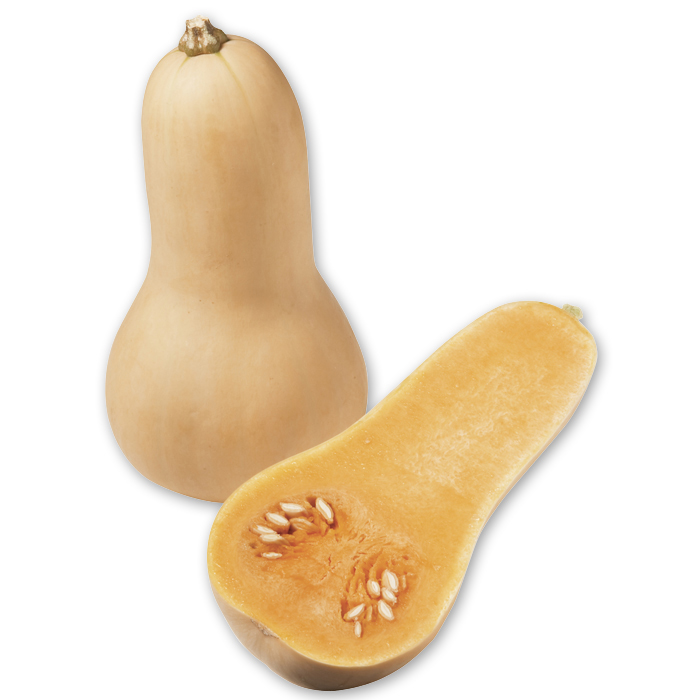
| Butternut Squash (Musky Squash) | Winter squash Soft, relatively sweet, deep orange flesh | 4 to 10 months | Slice thinly using a mandoline or sharp knife, pat dry and cook a few minutes in peanut oil to obtain golden chips |
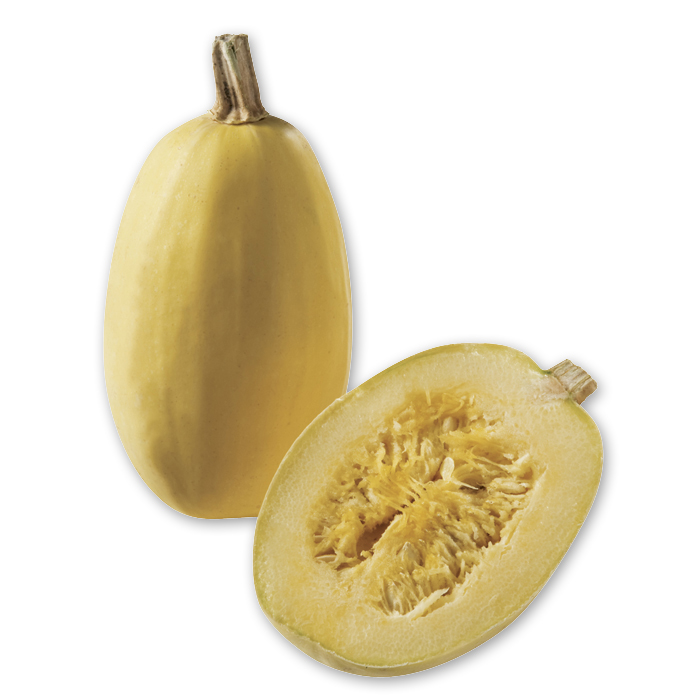
| Spaghetti Squash | Winter squash Fibrous, mild-flavoured flesh | 4 to 10 months | Cut in half, brush with oil and bake. Serve with your favourite spaghetti sauce in the cavity |
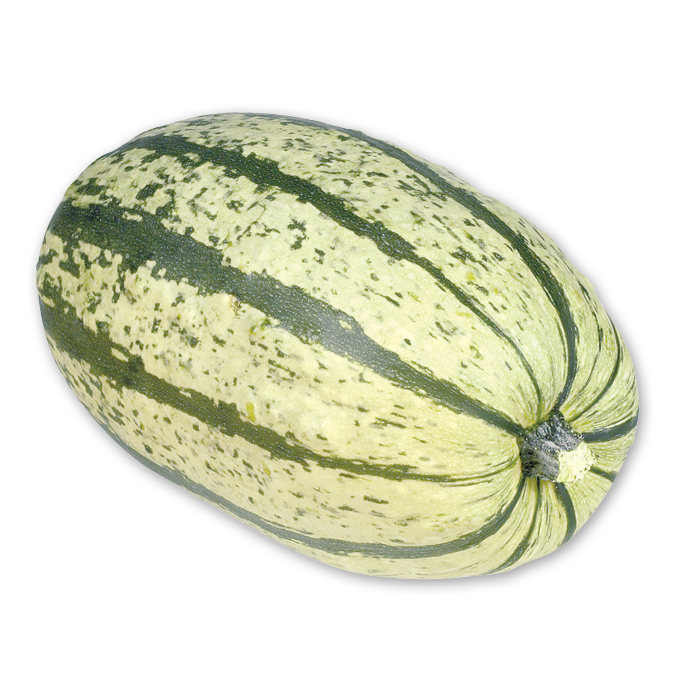
| Stripetti Squash | |||
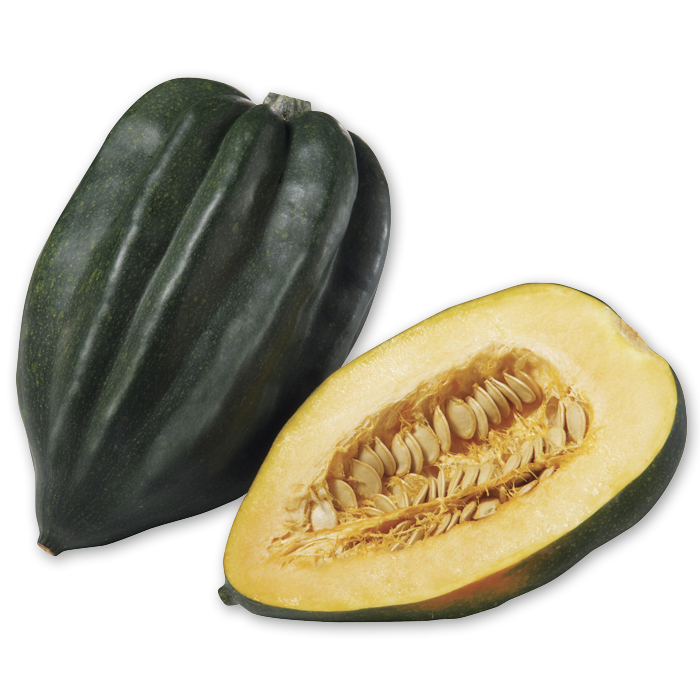
| Acorn Squash | Winter squash Fine, slightly fibrous, pale orange flesh with a hazelnut and pepper flavour | 3 to 6 months | Dice and add to vegetable and veal stew flavoured with red wine and Provençal herbs (halfway through cooking) |
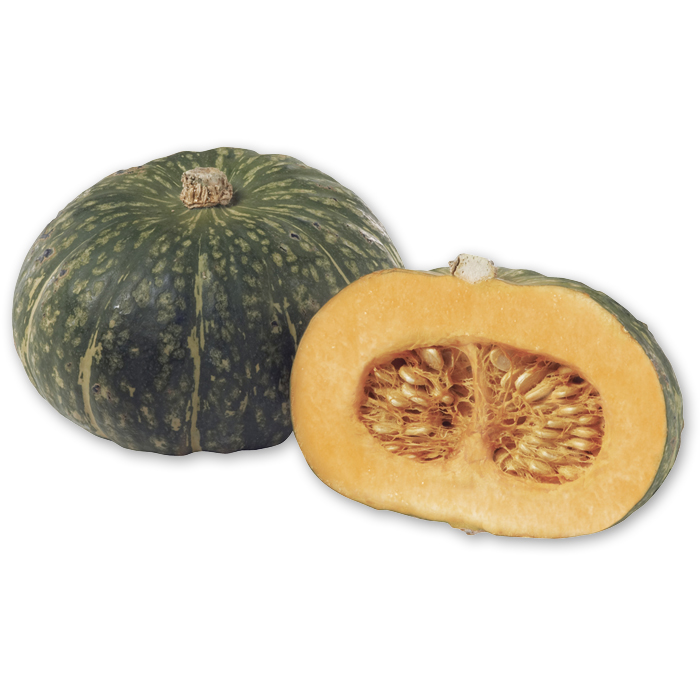 | Buttercup Squash | Winter squash Soft, sweet orange flesh | 3 to 7 months | Steam and add to mashed potatoes seasoned with chives and tarragon |
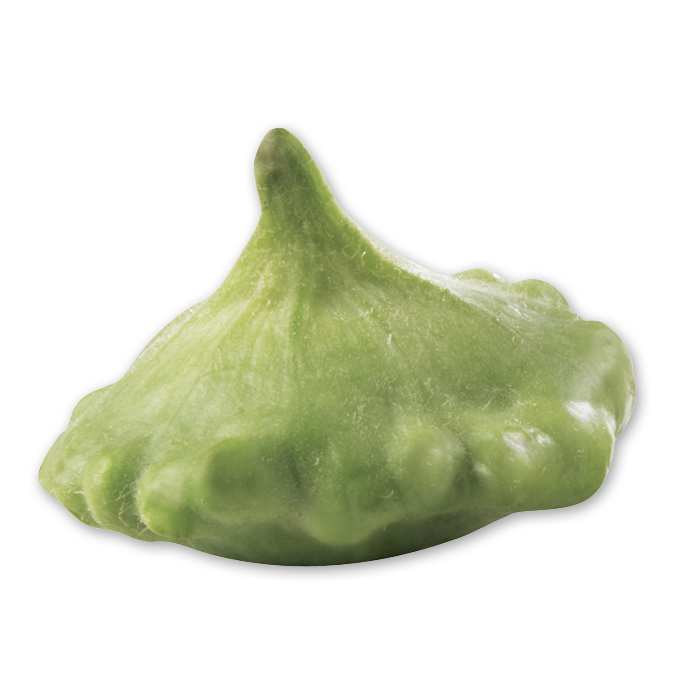 | Pattypan (Green Pattypan) | Summer squash Whitish, slightly sweet flesh that tastes like artichokes | 4 to 5 days | Add to an Asian stir-fry at the beginning of cooking |
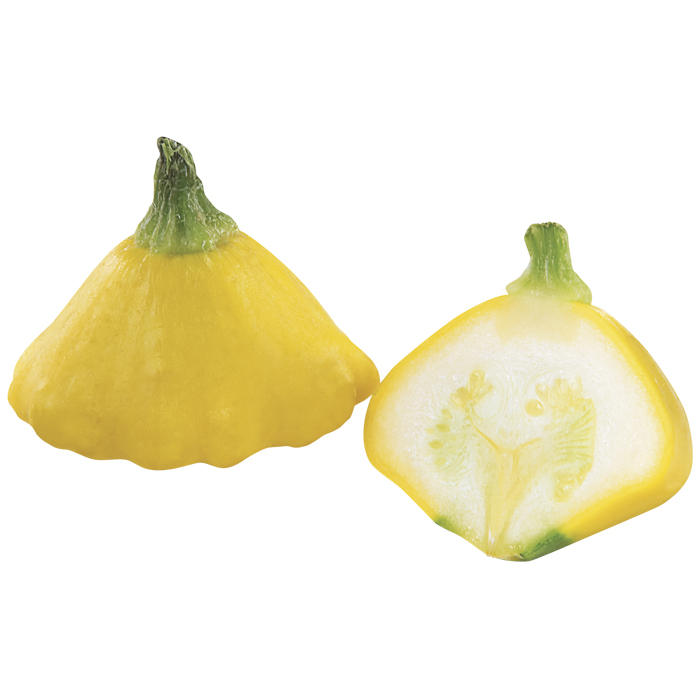
| Sunburst (Yellow Pattypan) | |||
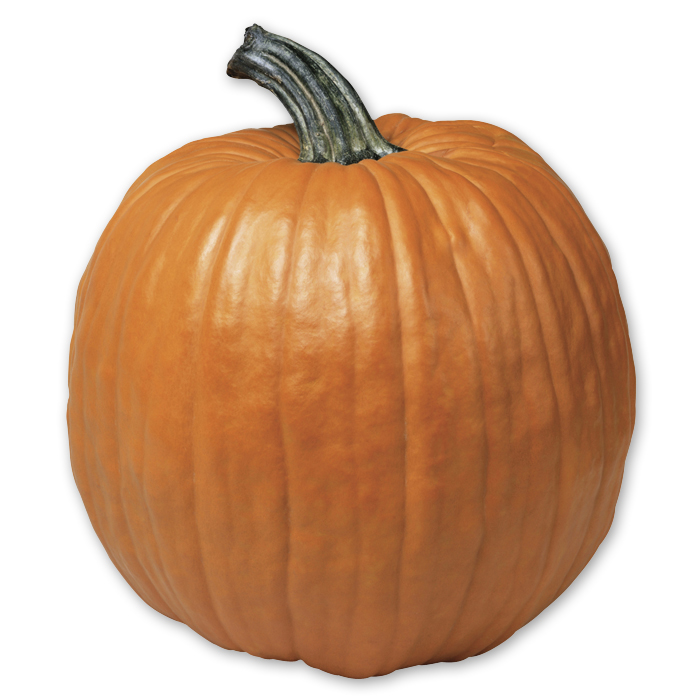
| Pumpkin | Winter squash Sweet, fragrant, bright orange flesh | 2 to 4 months | Cook in chicken stock, purée and season with curry to create a mouthwatering soup |
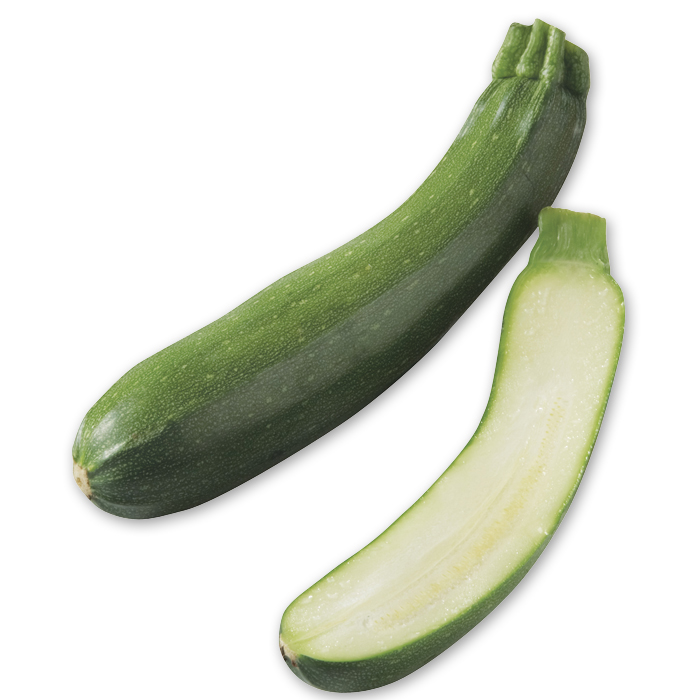
| Zucchini | Summer squash Mild, slightly sweeter flavour and a slightly crunchy texture | 4 to 5 days | Grate and add to meatloaf |
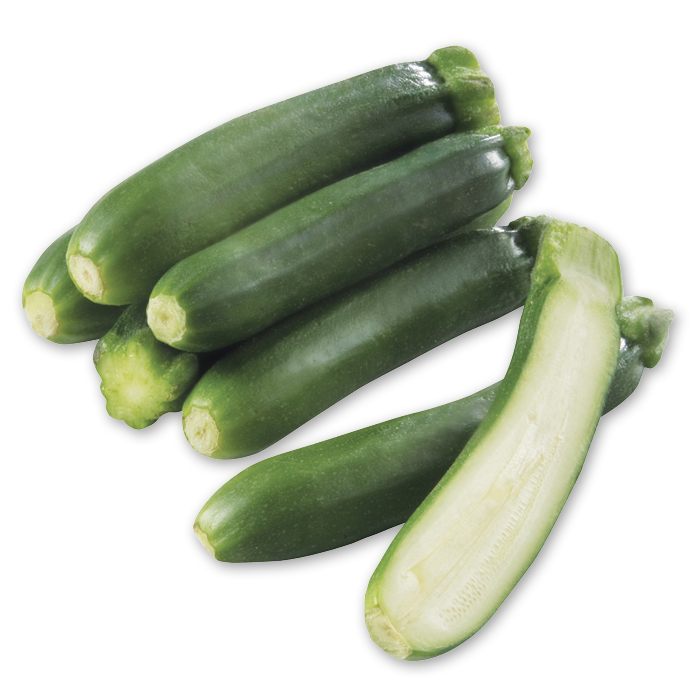
| Miniature Zucchini |