



Varieties, tricks, benefits, and recipe ideas

There are many different types of citrus fruit, and each one has its own charm. Step off the beaten path and try them all! Enjoy them fresh or cooked, there’s a citrus fruit for every taste.
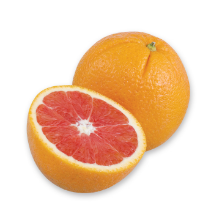
Cara cara orange
Similar to the Navel orange but with a sweeter taste and coloured flesh
Ideal for: Great for juices and cocktails

Red grapefruit
The juiciest and sweetest of grapefruits, they’re a citrus juicer favourite
Ideal for: Great with seafood
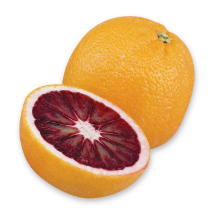
Blood orange
An electrifying coloured flesh with a delightfully sweet taste
Ideal for: Great for main course sala
Clementine with leaves
Ripened on the tree, these clementines are juicy and slightly tart
Ideal for: Great for your lunchbox or as an on-the-go snack

Halos mandarins
Sweet, juicy, seedless and easy to peel.
Ideal for: Ideal for lunches and snacks on the go.

Juice orange
Juicy flesh and sweet taste
Ideal for: Ideal for homemade orange juice

Mineola
Tart, juicy, and easy to peel
Ideal for: Great for basting meat
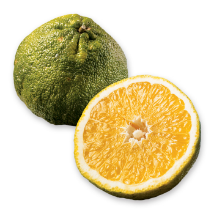
Ugli fruit
The misshapen peel hides aromatic, slightly sweet flesh.
Ideal for: Great with fish dishes.
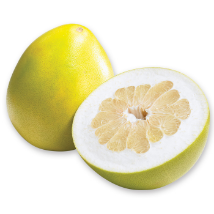
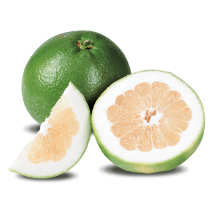
Pomelo
Aromatic, firm flesh underneath a thick peel
Ideal for: Great for fruit salads

Orange with leaves
Ripened fully on the tree before being harvested, they have a sweet taste.
Ideal for: Great for your lunchbox or as an on-the-go snack

Sumon mandarines
Seedless, easy to peel, juicy, and incredibly sweet, the Sumo citrus is a large mandarin with an orange heritage.

Seedless chocolate navel orange
Sweeter than a Navel orange without the bitterness.
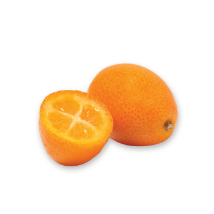
Kumquat
The smallest citrus fruit with an edible peel and slightly bittersweet taste
Ideal for: Great for chutneys and marinades
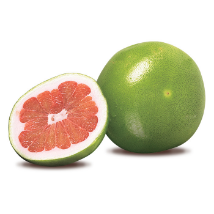
Red sweetie pomelo
The pomelo is a hybrid between the grapefruit and the Chinese orange. It is sweeter than a grapefruit but without the bitterness.
Did you know?
Choose citrus fruit that has smooth, firm, shiny skin and a weight that’s substantial for its size.
Citrus fruit can be stored in the fridge for one to three weeks, depending on the variety. Avoid storing lemons and limes at room temperature as they’ll dry up more quickly if left on the counter. Citrus fruit can also be zested. Simply leave zest to dry out in the open for 2 to 3 hours to remove moisture and freeze.
Citrus fruits are rich in vitamin C, a powerful antioxidant that protects us against damage caused by free radicals.
Citrus fruit are high in vitamin C, a powerful antioxidant that protects the body from the damage caused by free radicals.
Vitamin C plays a role in developing and maintaining healthy bones, cartilage, teeth and gums and helps the body absorb the iron found in foods.
Tricks for getting the most out of your citruses

In winter, they offer energy, and in summer, we eat them every chance we get. Citruses are a healthy must-have every day of the year! For a daily dose of vitamins from these fruit, especially during the cold season, here are a few tips to keep in mind.
Enjoy them as is:
Citruses contain the nutrients needed to stay healthy. In addition to being a good source of fibre and vitamin C, these fruits are also full of antioxidants. To help your body get all the benefits that citrus fruit have to offer, press them for fresh juice or eat them whole, in segments.
To wash, or not to wash? That is the question.
If you’re planning to use the zest in a recipe, it’s best to wash the peel with a brush, under running water, or to choose organic fruit that are free of pesticides.
Preserve them:
Citruses keep at room temperature for a week. They offer more juice when stored this way. To make them last longer, keep them in the fridge. Did you know that you can freeze the juice and zest of citruses? Do this to have some on hand all year long, and use it to elevate any recipe!